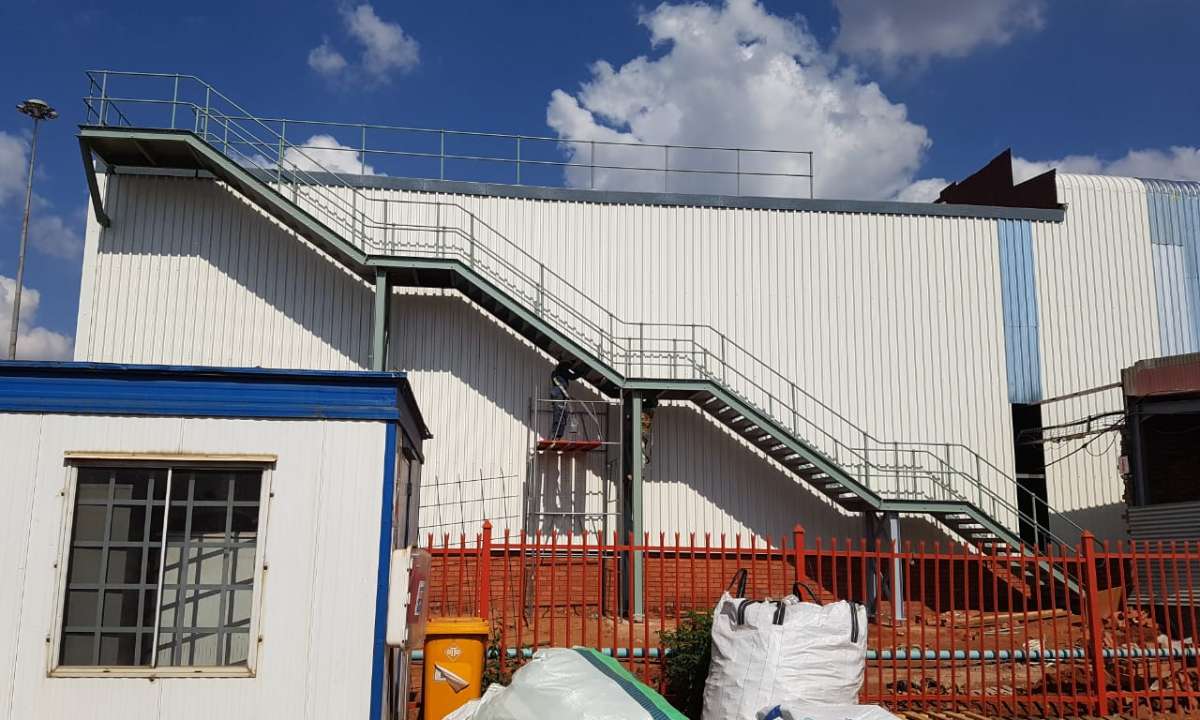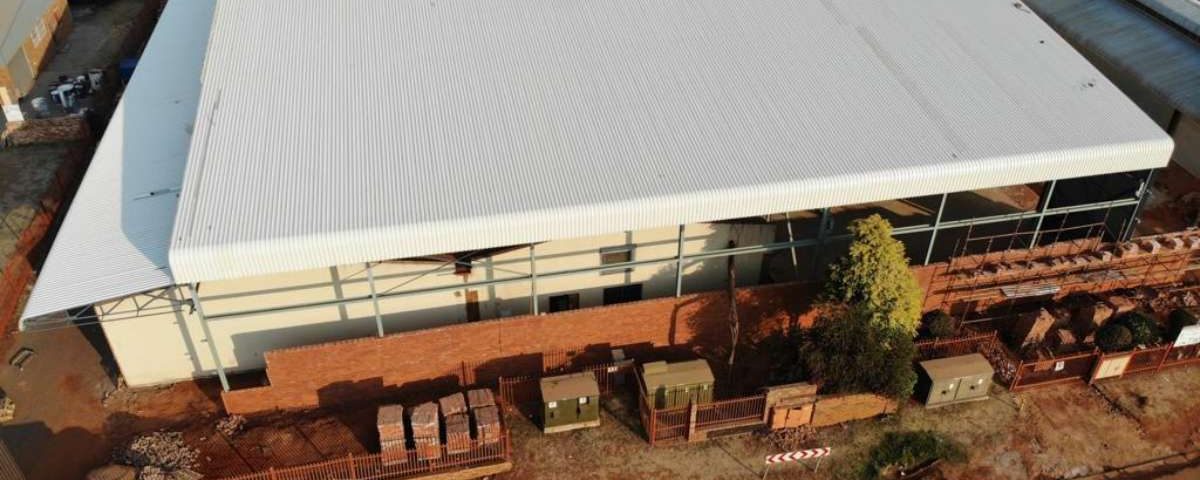
Steel Buildings for Logistics and Distribution Centres

Planning a Steel Commercial Building
March 4, 2026

Why Industrial Steel Buildings Are Ideal for Logistics and Distribution Centres

Modern supply chains move fast. Goods arrive, are sorted, stored, and shipped again within hours. For logistics companies and distribution centres, the building itself plays a big role in keeping operations efficient. The layout, structure, and durability of the facility all influence how smoothly goods move through the system.

This is one reason many developers and logistics operators choose industrial steel structures when building warehouses, logistics hubs, and distribution centres. Steel buildings provide the open space, strength, and flexibility needed for large-scale storage and high-volume movement of goods.

Across South Africa and globally, industrial steel structures have become the preferred building solution for logistics parks, freight hubs, and distribution warehouses.
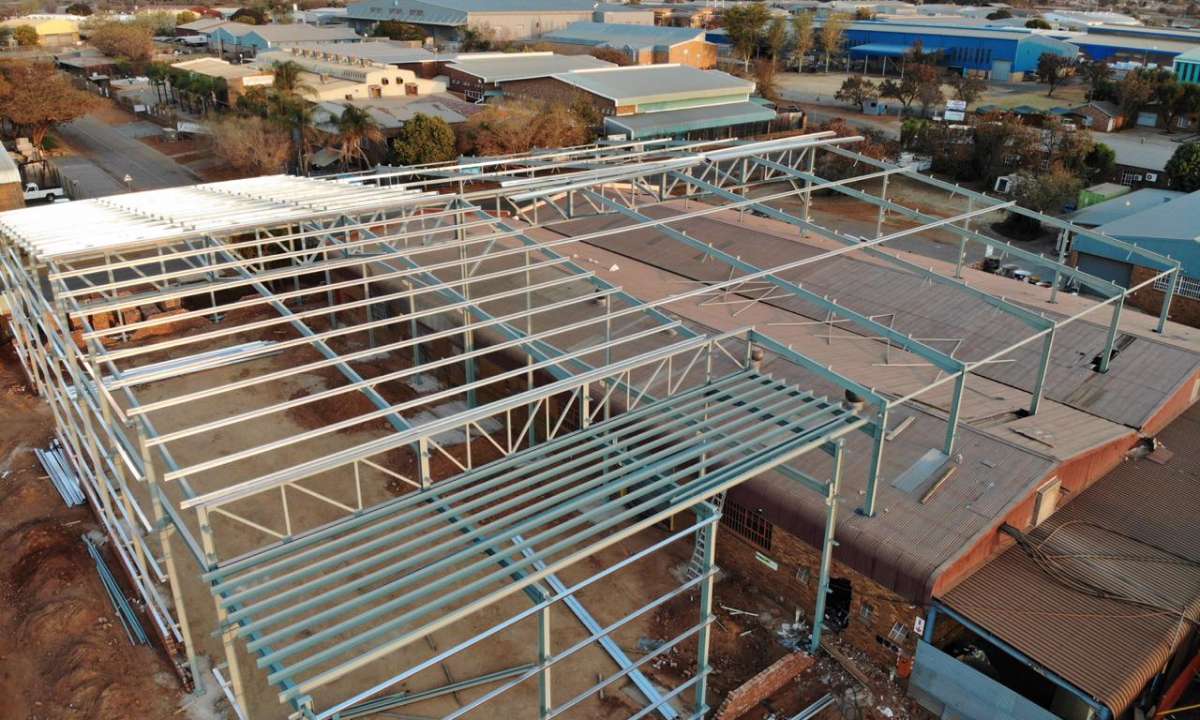
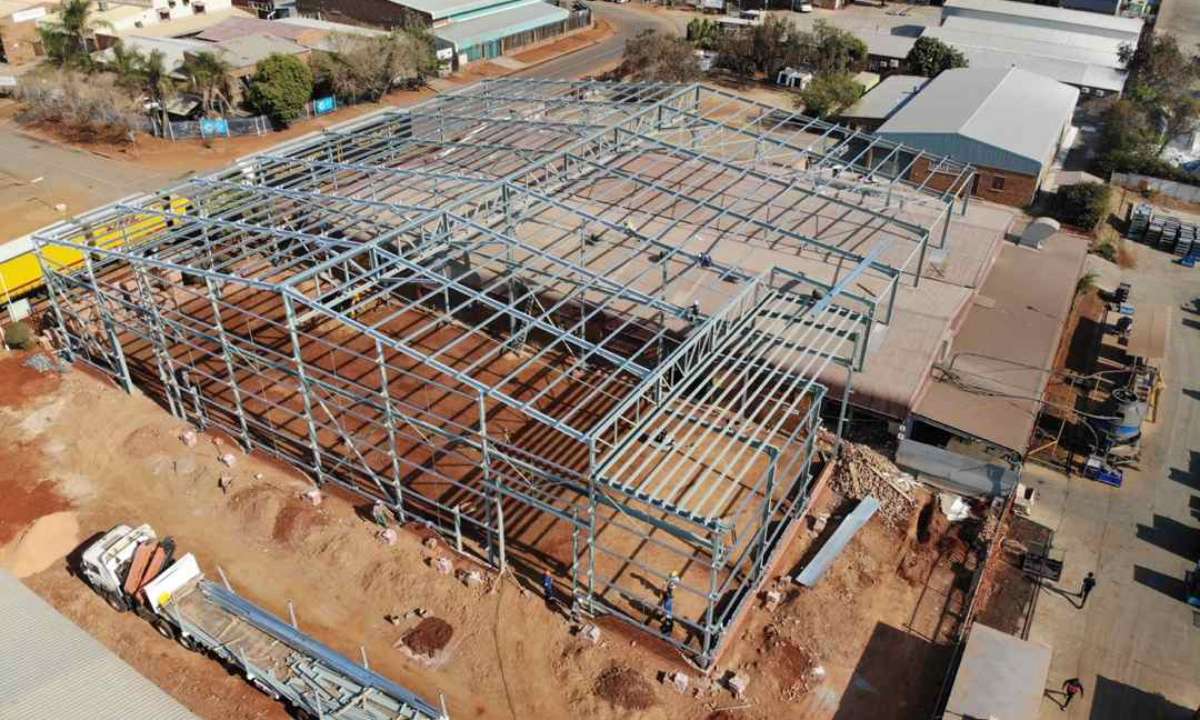
industrial steel structures

Large Open Spaces for Efficient Operations

One of the most important features of logistics and distribution centres is open floor space. These facilities need wide, unobstructed areas for shelving systems, pallet storage, conveyors, and forklift movement.

Industrial steel structures make this possible. Steel frames can span large distances without requiring multiple internal support columns. This allows warehouses and logistics buildings to have wide, open interiors that improve workflow and storage efficiency.

With fewer columns in the way, distribution centres can:

• Install high-density racking systems
• Allow forklifts and pallet jacks to move freely
• Create clear loading and unloading zones
• Adapt storage layouts when operational needs change

This flexibility is essential in modern logistics environments where efficiency directly affects delivery speed and operating costs.

Faster Construction for Time-Sensitive Projects

Logistics companies often work on tight timelines. When a new warehouse or distribution centre is needed, delays in construction can affect business operations and supply chain planning.

Industrial steel structures are known for faster construction compared to traditional brick-and-mortar buildings. Steel components are manufactured off-site and delivered ready for assembly, which significantly speeds up the building process.

This approach offers several advantages:

• Reduced construction timelines
• Less on-site labour required
• Faster project completion
• Earlier operational use of the building

For logistics operators expanding their network or opening new distribution centres, this faster construction timeline can make a major difference.

Strength and Durability for Heavy-Duty Operations

Distribution centres and logistics warehouses often handle heavy loads. Storage racks may carry tonnes of goods, while forklifts and loading equipment operate continuously throughout the day.

Industrial steel structures are designed to handle these demanding conditions. Steel offers excellent strength and structural stability, making it well suited for buildings that support heavy equipment and high storage loads.

Steel buildings used for logistics and distribution centres are engineered to withstand:

• Heavy roof loads
• High shelving and pallet racking systems
• Continuous forklift traffic
• Large roller shutter doors and loading bays
• Wind and environmental forces

This durability ensures the structure remains safe and reliable even in demanding industrial environments.

Easy Integration with Warehouse Systems

Modern logistics and distribution centres rely on advanced warehouse systems. These can include conveyor systems, automated sorting equipment, overhead cranes, and advanced racking solutions.

Industrial steel structures work well with these systems because they allow engineers to integrate structural supports, mounting systems, and large service openings directly into the building design.

Steel buildings also allow for:

• Installation of overhead cranes
• Suspended conveyor systems
• Large ventilation and HVAC systems
• High roof clearance for storage racks

This adaptability makes steel an ideal structural material for logistics facilities that depend on specialised equipment.

Ideal for Large Loading Bays and Truck Access

Efficient loading and unloading is central to any logistics operation. Distribution centres often require multiple loading bays where trucks can dock, unload goods, and depart quickly.

Industrial steel structures make it easy to incorporate large access points into the building design. Wide roller shutter doors and loading docks can be installed without compromising the strength of the structure.

Typical features of steel logistics buildings include:

• Multiple truck loading bays
• Large roller shutter doors
• Covered loading areas
• Drive-through access for delivery vehicles
• High clearance entry points for trucks

These features allow distribution centres to handle large volumes of goods while keeping traffic moving efficiently.

Flexibility for Changing Logistics Needs

The logistics industry changes quickly. Companies may expand operations, increase storage capacity, or introduce new handling systems.

One of the biggest advantages of industrial steel structures is how easily they can be adapted or expanded. Additional sections can be added to the existing structure without needing to rebuild the entire facility.

Steel buildings can be expanded by:

• Adding additional structural bays
• Extending warehouse floor space
• Increasing storage capacity
• Modifying internal layouts

This flexibility allows logistics operators to grow their facilities as demand increases.

Lower Maintenance for Long-Term Operations

Warehouses and distribution centres operate continuously, often 24 hours a day. Building maintenance can interrupt operations and create costly downtime.

Industrial steel structures require less maintenance than many traditional building materials. Steel does not warp, crack, or deteriorate in the same way as wood or certain masonry materials.

With proper coatings and corrosion protection, steel structures can perform reliably for many years with minimal maintenance requirements.

This makes steel buildings particularly suitable for logistics companies that rely on uninterrupted operations.

Energy Efficiency in Large Distribution Facilities

Large warehouses and distribution centres can consume significant amounts of energy, especially when lighting and ventilation systems run continuously.

Steel buildings can be designed to improve energy efficiency through several practical features.

These may include:

• Roof insulation systems
• Ventilation systems to control temperature
• Skylights or translucent roof panels for natural light
• Large windows for daylight entry

Natural lighting can significantly reduce daytime electricity usage in large warehouses, while proper ventilation helps maintain comfortable working conditions.

industrial steel structures

industrial steel structures

Why Industrial Steel Structures Are the Smart Choice for Logistics

Logistics companies require buildings that support speed, efficiency, and reliability. Industrial steel structures provide the structural strength and design flexibility needed to support modern distribution operations.

From wide-span warehouse interiors to durable structures that handle heavy equipment, steel buildings offer practical advantages for logistics and distribution centres.

Businesses developing logistics hubs, freight depots, and warehouse facilities benefit from steel construction because it supports high operational demands while allowing for future expansion.

Pretorius Structures – Specialists in Industrial Steel Structures

Choosing the right builder is just as important as choosing the right building material. Pretorius Structures is a trusted steel structure building company in South Africa, specialising in commercial, industrial, and agricultural steel buildings.

The company designs and constructs industrial steel structures for factories, warehouses, workshops, and logistics / distribution centres. Their team understands the specific requirements of large industrial facilities and works closely with clients to ensure each building supports efficient operations.

Pretorius Structures focuses on delivering durable steel buildings that meet the practical needs of industrial businesses. From warehouse developments to large-scale logistics centres, their experience allows them to deliver structures that combine strength, functionality, and long-term reliability.

For businesses planning new logistics facilities or expanding existing distribution centres, partnering with an experienced steel structure builder helps ensure the project is completed efficiently and to the highest standard.

Industrial steel structures provide the strong foundation logistics companies need to keep goods moving and operations running smoothly.