Planning a Steel Commercial Building

Ferrosilicon Grades & Specs for Dense Media Use
February 19, 2026
Steel Buildings for Logistics and Distribution Centres
March 4, 2026

Key Design Considerations When Planning a Steel Commercial Building

Planning a commercial building is a big investment. Whether the goal is to build a retail space, office block, workshop, or distribution centre, the design decisions made early in the process will influence how well the building performs for years to come. Many developers and business owners are choosing commercial steel structures because they offer strength, flexibility, faster construction, and long-term durability.

Steel structures have become a practical solution for modern commercial developments across South Africa. From shopping centres and showrooms to office parks and service facilities, steel frame buildings provide large open spaces, adaptable layouts, and excellent structural integrity. When planning a steel commercial building, there are several important design considerations that help ensure the structure meets both operational and financial goals.
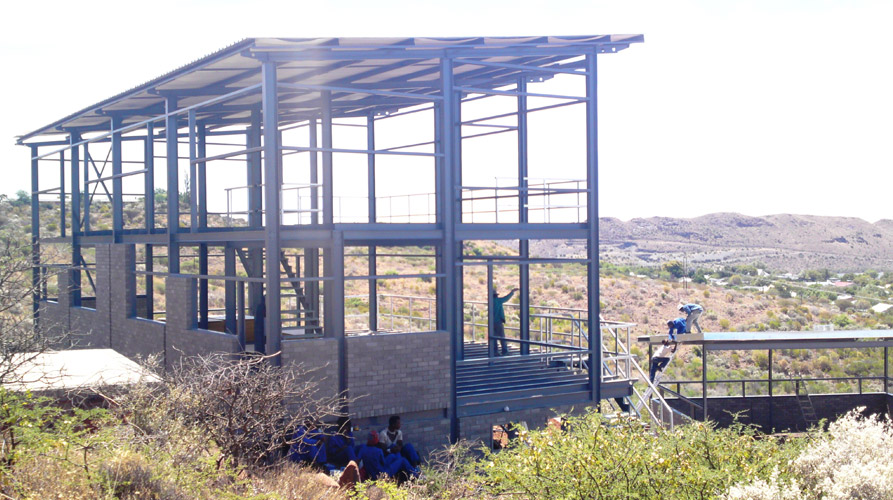
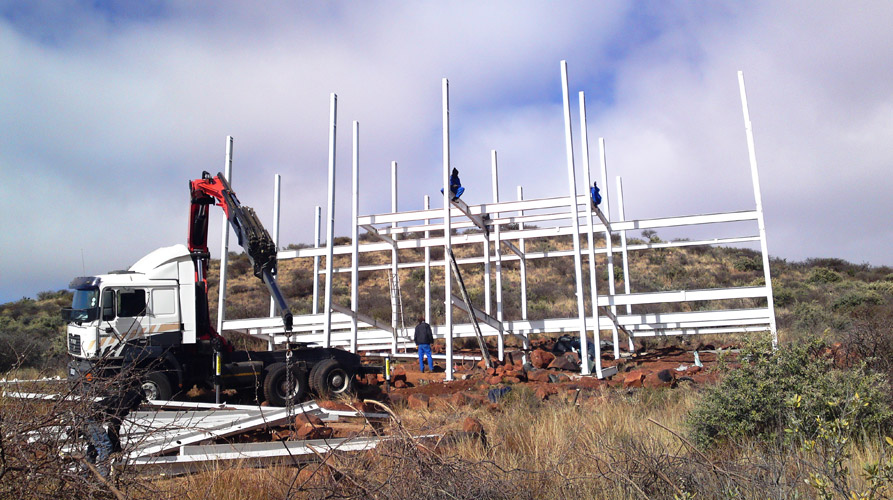
commercial steel structures

The Purpose of the Commercial Building

Before any drawings are created, the intended use of the building needs to be clearly defined. A commercial structure used as a retail store will have different requirements compared to an office building or automotive workshop.

Commercial steel structures allow architects and engineers to design wide-span interiors without the need for multiple internal support columns. This makes them ideal for spaces that require open floor plans, such as showrooms, supermarkets, warehouses, or commercial workshops.

When planning the layout, it is helpful to consider:

• Floor space requirements
• Storage areas
• Office sections
• Customer access and entrances
• Delivery or loading zones
• Parking and traffic flow

A well-planned layout ensures the building works efficiently for daily operations.

Location and Site Preparation

The location of the commercial building plays a major role in the design process. Soil conditions, site accessibility, and local building regulations all influence the type of foundation and structural design required.

For commercial steel structures, site preparation usually involves:

• Soil testing to determine foundation requirements
• Site levelling and drainage planning
• Access for construction equipment
• Compliance with municipal building regulations

A properly prepared site ensures the steel structure can be installed safely and will perform reliably over time.

Structural Strength and Load Requirements

Commercial buildings must be designed to handle various loads, including roof weight, wind forces, and operational loads such as machinery or storage systems. Steel frame buildings are known for their exceptional strength-to-weight ratio, which allows them to support large spans while remaining structurally efficient.

Engineers calculate several factors when designing commercial steel structures, including:

• Wind load requirements
• Roof loading
• Structural support points
• Equipment loads for workshops or factories
• Future expansion considerations

Planning for these factors early ensures the building remains safe and functional for the long term.

Flexibility for Future Expansion

One of the major advantages of commercial steel structures is their flexibility. Businesses often grow or change operations, which means buildings may need to expand or be modified.

Steel structures are particularly well suited for expansion because additional bays or sections can be added to the existing frame with minimal disruption. This makes steel commercial buildings ideal for companies planning future growth.

Designing the building with potential expansion in mind can include:

• Allowing space for additional floor area
• Designing modular structural sections
• Planning utility connections for expansion
• Ensuring access points can accommodate future growth

A flexible design prevents costly alterations later.

Roof Design and Drainage

Roof design is another important factor when planning a steel commercial building. The roof must protect the building from weather while also allowing proper drainage.

Common roofing options used with commercial steel structures include:

• IBR roofing sheets
• Corrugated steel roofing
• Insulated roofing panels

The roof pitch and drainage system should allow rainwater to flow efficiently away from the building. Proper gutter systems and downpipes help prevent water damage and maintain the structural integrity of the building.

In many commercial buildings, roof insulation is also added to help control temperature inside the structure.

Energy Efficiency and Ventilation

Energy efficiency is becoming increasingly important for commercial developments. Steel buildings can be designed to improve ventilation, reduce heat build-up, and lower energy costs.

Key design features may include:

• Roof insulation to reduce heat transfer
• Ventilation systems for airflow
• Skylights or translucent panels for natural lighting
• Large windows for daylight penetration

Natural lighting can significantly reduce electricity usage during the day, particularly in warehouses and workshops.

Good ventilation is equally important in commercial steel structures where machinery, storage, or customer traffic generates heat.

Access, Doors, and Workflow

Commercial buildings must be designed around how people and goods move through the space. Efficient access improves productivity and safety.

For many commercial steel structures, the following elements are considered:

• Roller shutter doors for loading areas
• Wide entry points for delivery vehicles
• Pedestrian entrances
• Internal workflow layout
• Emergency exits

Warehouses, workshops, and distribution centres often require large roller doors that allow trucks or forklifts to move in and out of the building easily.

Planning these elements during the design phase prevents operational bottlenecks later.

Compliance with Building Regulations

All commercial construction projects must comply with local building regulations and safety standards. These regulations cover aspects such as structural design, fire safety, accessibility, and zoning.

Working with experienced engineers and builders ensures the steel structure meets all regulatory requirements. This includes obtaining the necessary building approvals and following correct construction procedures.

Compliance is not just about legal requirements; it also ensures the safety and reliability of the commercial building.

Why Businesses Choose Commercial Steel Structures

Many developers and business owners prefer commercial steel structures because they offer several practical benefits.

Some of the most notable advantages include:

• Faster construction timelines
• Lower long-term maintenance costs
• High structural strength
• Flexible interior layouts
• Easy expansion possibilities
• Durability in harsh environments

These advantages make steel structures a smart choice for retail buildings, warehouses, workshops, distribution centres, and office developments.

commercial steel structures

commercial steel structures

Pretorius Structures – Specialists in Commercial Steel Structures

When planning a steel commercial building, working with an experienced steel structure company makes a significant difference. Pretorius Structures is a trusted steel structure building company in South Africa, providing high-quality solutions for commercial, industrial, and agricultural projects.

The company specialises in the design, manufacturing, and construction of commercial steel structures for a wide range of industries. Their projects include retail buildings, office facilities, warehouses, factories, and commercial workshops.

Pretorius Structures works closely with clients from the early planning stage through to final construction. Their team understands the technical requirements involved in steel structure construction and focuses on delivering buildings that are strong, practical, and built to last.

With experience across South Africa and neighbouring regions, Pretorius Structures has built a reputation for reliable workmanship and efficient project delivery.

Businesses planning new commercial developments can benefit from partnering with a steel structure company that understands the unique demands of commercial construction.

Planning a Steel Commercial Building the Right Way

A well-designed steel commercial building can serve a business for decades. By carefully considering layout, structural requirements, expansion potential, and operational needs, developers can create a building that supports productivity and growth.

Commercial steel structures offer a practical solution for modern businesses that require strong, adaptable, and cost-effective buildings. With the right planning and experienced builders, a steel commercial structure becomes more than just a building—it becomes a long-term asset that supports business success.