The Problem With Bills Alone
For decades, management teams have treated utility bills as the final word on consumption and cost. But those bills tell only part of the story. They sum totals and due amounts. They rarely explain the underlying behaviours that drive consumption — like system inefficiencies, unexpected peaks in usage, or equipment that runs when it shouldn’t.
This limited view means organisations can respond only after the fact. Teams see cost increases but lack clarity on the causes. Without that context, decisions are reactive. Opportunities to optimise are missed — and every inefficiency quietly erodes margins or inflates carbon footprints.
Truly understanding utility performance demands more than periodic bills. It requires real-time insight into energy patterns and how they relate to processes, equipment and behaviour on the ground.
Seeing Beyond Silos With Unified Data
Industrial environments are often data-rich yet insight-poor. Meters, sensors, PLCs and field devices generate enormous volumes of data, but these streams typically sit in disconnected silos. Operations teams see one picture, finance another, and sustainability leaders yet another — if they even see anything at all.
Bridging these silos is a foundational step in unlocking the power of utility data analytics. When disparate data sources are integrated into a common platform, organisations can:
- Monitor resource use across multiple sites and systems in real time.
- Correlate energy readings with production schedules and asset performance.
- Provide each department with the context it needs to act.
This is where robust analytics truly shines: transforming a maze of raw data into a unified, trustworthy narrative that enhances understanding and drives performance.
Accountability Through Visibility
Visibility alone isn’t the end goal. Facts without accountability don’t change outcomes. What organisations really gain when they adopt deep analytics is shared ownership of performance.
Imagine dashboards tailored to specific roles:
- Engineers receive alerts about equipment inefficiencies before they escalate.
- Sustainability teams access verified emissions data for reporting.
- Finance tracks confirmed savings against budgets, not estimates.
- Executives view forecasted energy demands and scenario outcomes.
This complete visibility turns previously hidden costs into actionable insights. Teams don’t just see numbers; they understand what they mean — and who needs to do what about them. Responsibilities become clear, and improvements become measurable.
Empowering Decision-Makers
When data influences decisions, its value multiplies. Rather than responding to quarterly statements, teams are making choices informed by continuous analysis of current performance and future trends. This level of insight changes how organisations plan, invest and operate.
For example, shifting from reactive maintenance to predictive care can reduce downtime and extend asset life. Understanding how compressed air usage correlates with production metrics may uncover leaks that save significant cost once addressed. These improvements aren’t accidental — they stem from an intentional alignment of data, departments and decisions.
 Digital Energy: The Next Frontier
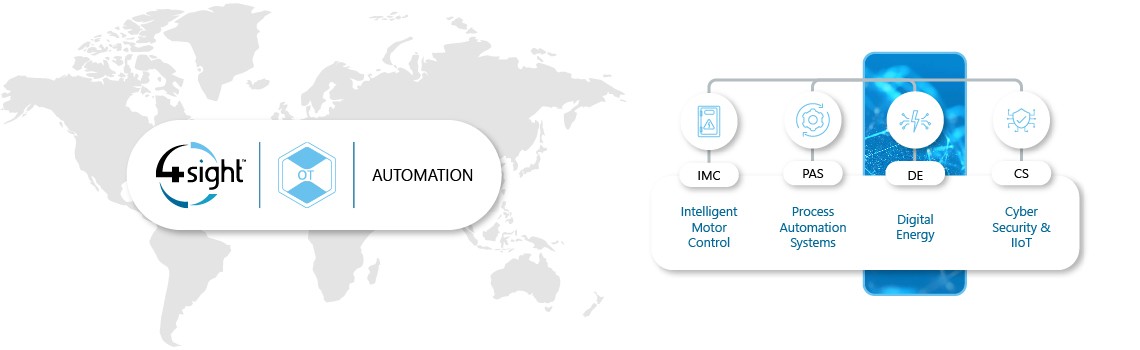
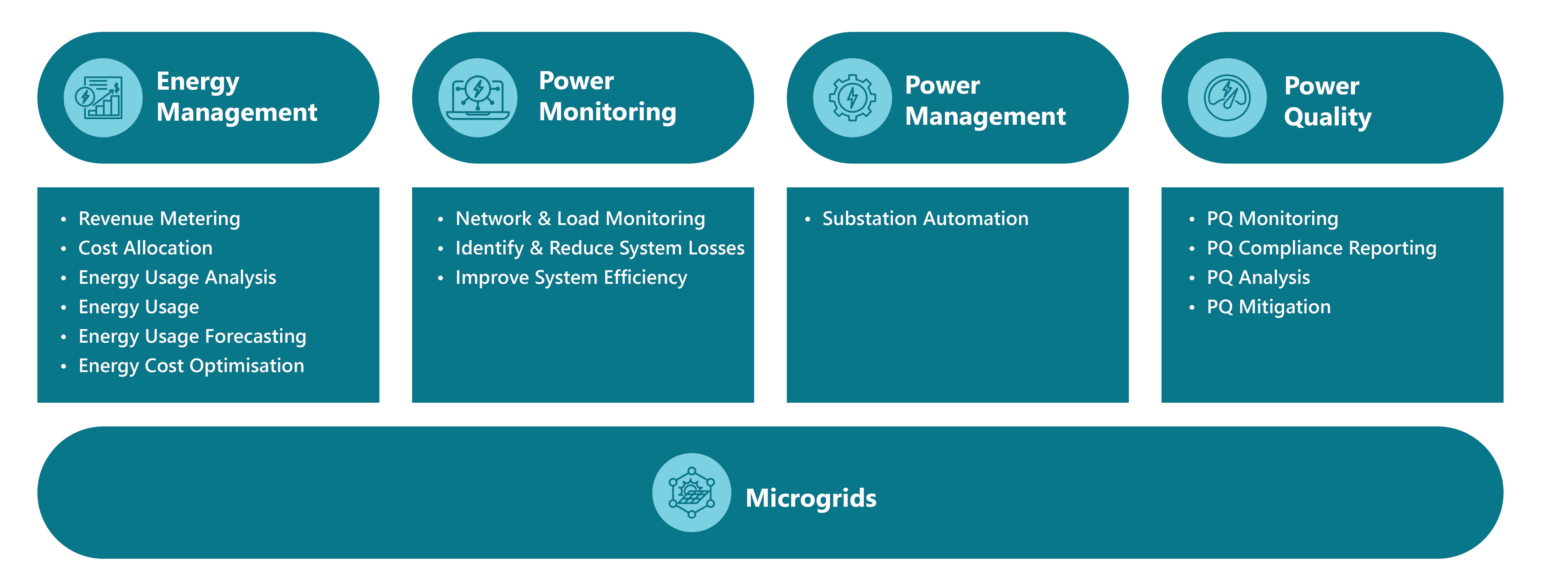
Utility analytics doesn’t exist in isolation. It is part of a broader movement towards smarter, more adaptive operations. One crucial component is Digital Energy, a suite of technologies designed to enhance how organisations monitor, manage and optimise energy usage across all forms — whether electrical, thermal or otherwise.
Through solutions that enable real-time monitoring and control, businesses gain the ability to anticipate demand, identify inefficiencies and integrate renewable resources like solar or storage systems. You can learn more about these energy-enhancing capabilities on the Digital Energy DE page.
The benefits of such systems extend beyond cost savings. They improve equipment reliability, bolster safety and support ambitious sustainability goals — without compromising performance. In an era where efficiency and environmental stewardship matter to stakeholders and regulators alike, this is no small advantage.
Transformative Outcomes
So what does success look like when an organisation embraces a comprehensive utility data strategy?
- Improved Operational Efficiency: Teams spot and respond to inefficiencies before they become costly problems.
- Verified Sustainability Reporting: Automated data capture removes guesswork, giving credibility to internal and external ESG disclosures.
- Proactive Planning: With accurate demand forecasts and consumption trends, leaders can make smarter investments and negotiate better supply contracts.
- Cross-Functional Collaboration: From engineering to finance, everyone works from the same dataset, aligned around shared goals and measurable outcomes.
- Cost Control at Scale: Real-time analytics enables ongoing optimisation, ensuring energy and resource budgets are continually refined.
 Where 4Sight OT Automation Fits Into the Picture
Turning utility data into something teams can actually use takes more than dashboards and reports. It takes an understanding of how operational technology, energy systems and real-world processes work together on site. That’s where 4Sight OT Automation comes in.
4Sight OT Automation works alongside utilities and industrial organisations to connect operational data with practical decision-making. Their focus sits at the intersection of electrical engineering, control systems, asset automation and digital energy management. Instead of treating data as an IT exercise, they approach it from the plant floor up — aligning sensors, control systems and analytics with how assets are operated day to day.
By integrating utility data directly into operational workflows, 4Sight OT Automation helps businesses move from surface-level monitoring to genuine control. Energy usage, equipment performance and system availability are no longer reviewed after the fact. They’re visible in real time, tied to production realities, and presented in a way that engineers, managers and executives can all work with.
The result is better operational discipline, clearer accountability and a far stronger link between energy consumption and business outcomes. Whether the goal is reducing waste, improving reliability, or supporting long-term sustainability targets, the value lies in combining technical depth with practical execution — an area where 4Sight OT Automation has built a strong track record.
Read more here: Utility Data Analytics: From Visibility to Accountability
 Turning Insight Into Everyday Practice
Utility data only becomes powerful when it changes what people do. When teams trust the numbers, understand the context behind them, and have the tools to act, better decisions follow naturally.
Organisations that invest in proper analytics and operational integration don’t just see savings on a balance sheet. They gain clarity. They gain confidence in their reporting. And they gain the ability to plan with fewer assumptions and fewer surprises.
Moving from basic visibility to real accountability isn’t a single project or a quick win. It’s a shift in how data is treated across the business — from something that’s reviewed occasionally to something that guides daily operations. With the right platforms, the right integration and the right partners, that shift becomes both achievable and sustainable.