Digital Energy Management Solutions – 4Sight

PLC Programming Software – 4Sight OT Automation
December 5, 2025
How Utility Analytics Is Shaping Tomorrow’s Operations
January 7, 2026

Digital Energy Management Systems: How Industries Are Getting Smarter About Energy

Energy has always been part of the industrial heartbeat, but the way companies manage it is changing fast. Mining houses, steel plants, food producers, healthcare facilities, and oil & gas operators are all looking for cleaner, smarter and more efficient ways to run their operations. That’s where Digital Energy Management Systems step in—bringing structure, visibility, and better control to something that once felt unpredictable and difficult to track.

This article breaks down how digital energy systems work, why industries are investing in them, and how 4Sight OT Automation supports organisations through practical, scalable digital energy solutions.

The Shift Toward Digital Energy Systems

Whether you’re running a complex industrial process or a high-dependency healthcare facility, energy has a massive footprint. It affects budgets, planning, sustainability commitments, safety, and production efficiency.

Why Industries Are Rethinking Their Energy Strategy

Plants and facilities need to keep machines running, maintain stable conditions, and support multiple processes at once. Energy volatility, rising costs, and stricter sustainability expectations have made traditional approaches less viable.

What Digital Energy Management Actually Involves

It combines monitoring, analytics, forecasting, and automated decision support to help organisations better understand where energy goes and how it impacts production.

Where Digital Energy Solutions Fit

These systems sit between operational equipment and management teams—creating visibility across everything from compressors and smelters to HVAC systems and production lines.
digital energy management solutions

How Digital Energy Management Systems Support Industrial Operations

Every sector has its own energy challenges. Heavy industry deals with high consumption and complex processes. Food and beverage producers run equipment that can’t stop. Hospitals rely on absolute reliability. Digital tools help manage these differences without slowing production.

  • Real-Time Insight Into Energy Use

Live data helps teams respond faster. When consumption spikes, systems highlight the cause instead of leaving staff guessing.

  • Better Decision-Making Through Data

Patterns emerge when you have consistent reporting. Plants can identify off-peak opportunities, confirm load distribution, and spot inefficiencies early.

  • Greater Stability and Operational Peace of Mind

When energy supply must be constant—like in healthcare—digital systems help reduce risk by monitoring conditions and predicting potential issues.

  • Tailored Oversight for Complex Processes

Mining and steel operations involve intricate workflows. Better control over energy consumption helps keep production stable and predictable.

Where Digital Energy Systems Make The Biggest Impact

Different sectors apply energy intelligence differently. Here’s how some of the major industries use digital systems to reach their goals.

Mining

Energy is one of the biggest expenses in mining. Digital monitoring helps operators see exactly where consumption climbs. Insights help reduce wastage, improve planning, and support overall profitability.

Healthcare

Hospitals require uninterrupted power. Digital energy tools give facilities teams the confidence to maintain stability, reduce waste, and support patient safety.

Manufacturing

A production line is only as efficient as its energy stability. Digital systems highlight inefficiencies and support quality by showing how energy impacts output.

Consumer Packaged Goods & Food Production

Energy-heavy equipment, refrigeration, cooking systems, and motors make this environment complex. Digital systems help balance loads and reduce unnecessary consumption.

Oil & Gas

Refineries and plants run processes that rely heavily on electricity and heat. Monitoring and forecasting improve reliability and help adapt to changing production conditions.

Commercial Buildings

Large commercial sites need predictable energy control for HVAC, lighting, and essential systems. Digital tools support cost-saving decisions while improving sustainability.

Steel Production

Steelmaking requires high temperatures and intense processes. Energy management helps stabilise operations and reduce overall running costs.

Energy monitoring

4Sight OT Automation: A Partner in Digital Energy Transformation

Digital energy management isn’t only a software deployment—it’s a long-term shift in how organisations understand and manage their industrial footprint. 4Sight OT Automation provides complete turnkey solutions that integrate seamlessly with existing operations.

4Sight OT Automation’s approach includes engineering, implementation, and ongoing optimisation. For organisations that want a trusted partner guiding their digital energy journey, 4Sight OT Automation aligns operational technologies, process systems, and data-driven tools with clear business outcomes.

Explore 4Sight OT Automation’s broader Digital Energy Management Systems offering.

  • What Makes Their Approach Work Well

Their energy systems integrate with plant infrastructure, operational equipment, and analytics platforms. The goal is to create sustainable, stable environments where teams spend less time reacting and more time improving.

  • Why Their Digital Solutions Fit So Many Sectors

They design systems around the workflow and operational requirements of each industry rather than forcing a rigid framework into place.

  • A Long-Term, Scalable Structure

Their energy systems grow with operations, supporting expansions, upgrades, and new strategic objectives.

Core Functional Features of Digital Energy Management Systems

A strong Digital Energy Management System does far more than collect readings. It supports planning, budgeting, operational strategy, and environmental commitments.

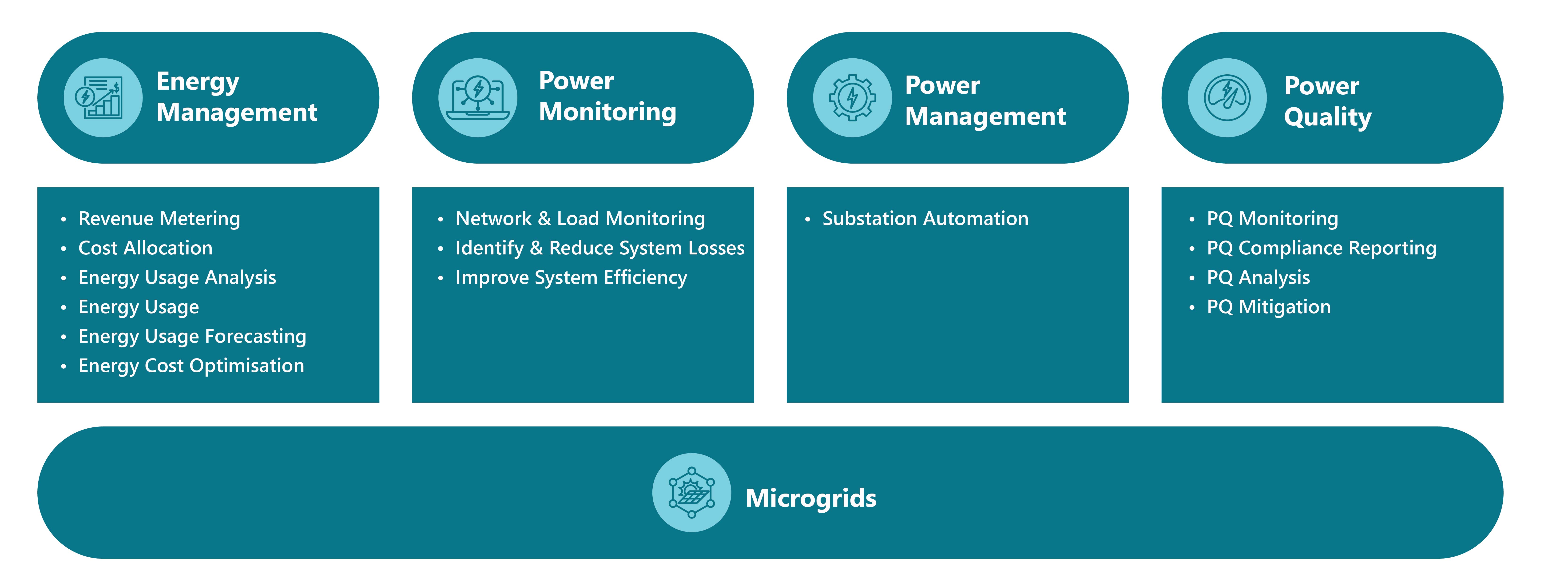
  1. Revenue Metering – Accurate tracking helps companies understand true energy costs across lines, departments, or entire facilities. It’s especially useful for organisations needing transparent billing or forecasting.
  2. Cost Allocation – Plants with multiple processes can break down energy use cleanly, helping teams decide where to cut, invest, or optimise.
  3. Energy Usage Analysis – Historical data reveals patterns that help improve efficiency. Teams can track peaks, inefficiencies, and unexpected surges.
  4. Real-Time Monitoring – Immediate visibility improves response time. Facilities teams can correct issues before they cause downtime or waste.
  5. Energy Forecasting – Predictive insights help plan production and maintenance around expected demand—supporting smarter budgeting and scheduling.
  6. Cost Optimisation – When all insights come together, organisations reduce unnecessary consumption, lower operating costs, and improve long-term efficiency.

Energy management systems

How Digital Energy Solutions Improve Operational Strategy

Energy management is no longer a background task. It’s become an active lever for competitiveness and sustainability. Digital systems add structure and insight to areas where teams previously relied on manual checks or outdated tools.

Better Stability Across Critical Processes

Even small interruptions can disrupt production. Digital systems help predict issues early.

Smarter Resource Allocation

With reliable insights, companies avoid overestimating needs or overspending on unused capacity.

Support for Sustainability Goals

Energy transparency helps organisations track progress and maintain compliance with environmental expectations.

Consistent Visibility Across Multiple Sites

Large organisations with distributed facilities get standardised reporting and better oversight.

More Productive Maintenance Teams

Energy anomalies often point to equipment issues. Finding these faster helps avoid unplanned breakdowns.

Greater Confidence in Operational Planning

Forecasting creates a clearer picture of future demands, helping leaders plan more accurately.

Why Industries Are Investing in Digital Energy Management Now

Digitisation continues expanding into all corners of operations—but energy is one area where the measurable return is immediate. Lower costs, fewer disruptions, stronger sustainability, and better reliability all contribute to the push toward digital energy solutions.

Plants and facilities aren’t just reacting to energy challenges anymore—they’re proactively reshaping how they operate.

A Smarter, More Sustainable Way Forward

Energy management becomes simpler when it’s digital, centralised, and designed around industrial realities.

Technology That Keeps Operations Moving

Digital platforms help organisations stay ahead of rising costs and uncertain supply environments.

A Practical Investment for the Long Term

The shift toward better energy systems strengthens efficiency for years, not just the next budget cycle.

Bringing It All Together: The Impact of Digital Energy Management

Digital Energy Management Systems give organisations a clearer view of how energy shapes production, cost, safety, and sustainability. When the right tools are paired with a partner who understands the operational landscape, companies gain a stable foundation to run smarter, cleaner, and more reliable operations.

Mining teams reach better profitability. Healthcare facilities improve reliability. Manufacturers boost productivity. Commercial buildings cut waste. Steel producers stabilise high-energy processes.

Across every sector, digital energy solutions help teams build stronger operations without losing control or increasing complexity.

If your organisation is thinking about better efficiency, stronger visibility, or sustainable energy strategy, a modern Digital Energy Management System is one of the most effective steps you can take.