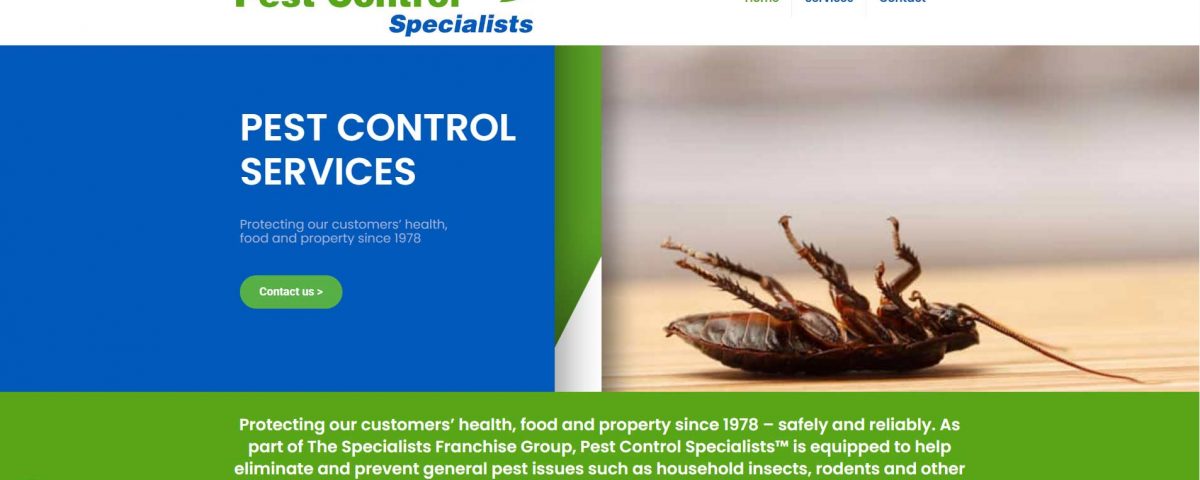
Pest Control in South Africa – Why You Need it

The Specialists Cleaning Services in West Rand
Comprehensive Cleaning Services
October 2, 2024
Your Weekend Away in Meyerton
November 3, 2025
Pest Control in South Africa

Pest Control in South Africa: Protecting Property, Health, and Peace of Mind

South African households and enterprises share a common foe: unwanted creatures that creep, gnaw, buzz, and burrow. Whether it is a business park in Midrand, a family home in Fourways, or a guest lodge on the Garden Route, pests threaten structural integrity, hygiene standards, and reputation. Effective control is therefore not a luxury but a core component of responsible property management.

Why Consistent Pest Management Matters

Health and safety first

Many insects, arachnids, rodents, and birds transmit pathogens or trigger allergies. German cockroaches contaminate kitchen worktops with salmonella; rats spread leptospirosis through their urine; mosquitoes remain vectors for malaria further north and for Rift Valley fever and West Nile virus in local outbreaks. Professional pest programmes reduce these hazards with strict monitoring, targeted treatments, and follow-up inspections that DIY sprays rarely achieve.

Protecting the built environment

Timber-framed roofs, laminated flooring, and office cabling provide ideal dining material for termites, wood-boring beetles, and rodents. When left unchecked, these pests weaken beams, chew electrical wires, and raise fire risks. The cost of replacing damaged structures far exceeds regular preventative control.

Safeguarding food supply chains

From farm silos to restaurant kitchens, pests threaten stock, compromise HACCP audits, and attract penalties from public-health officers. Grain weevils render entire consignments unfit for human consumption, while flies around prep areas undermine hygiene ratings overnight.

Preserving reputation

A single online review noting cockroaches scuttling across a hotel buffet can undo years of brand-building. Commercial venues, especially those in hospitality, retail, and healthcare, rely on visible, verifiable pest-free standards to keep customers returning.
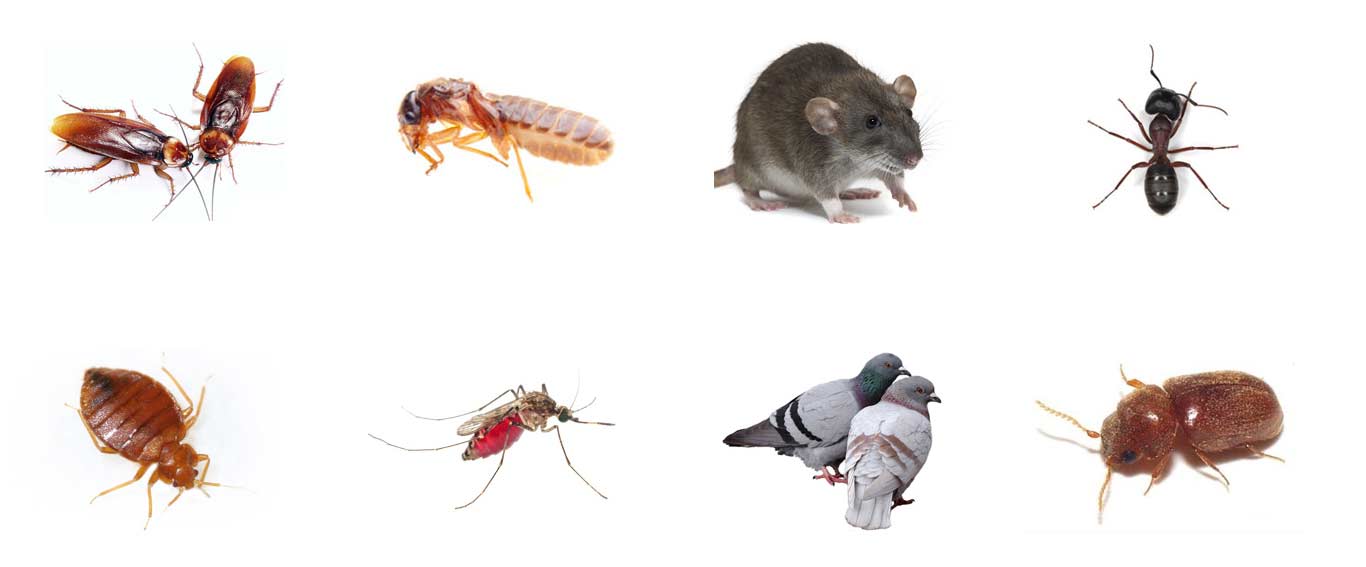
Key Pests Across South African Homes and Businesses

South Africa’s varied climate supports diverse species. The list below highlights those most frequently reported to pest-control firms, particularly in Gauteng.

Cockroaches

  • Species: German, American, and Oriental cockroaches
  • Habitats: Warm, moist zones behind appliances, drains, and refuse areas
  • Risks: Spread of salmonella, E. coli, and allergens leading to asthma; contamination of stored food
  • Signs: Musty odour, pepper-like droppings, smear marks, egg cases (oothecae) behind fridges

Termites (“White Ants”)

  • Species: Subterranean termites (Coptotermes), harvester termites, dry-wood termites
  • Habitats: Soil beneath buildings, garden mulch, dead trees, and roof beams
  • Risks: Silent, progressive damage to cellulose-based materials; costly repairs to roof trusses and wooden floors
  • Signs: Mud tubes along walls, hollow-sounding wood, flying alates around lights during summer evenings

Rodents

  • Species: Norway rats, roof rats, house mice
  • Habitats: Sewers, roof voids, storerooms, ceiling cavities
  • Risks: Gnawed cables causing fires, food contamination, leptospirosis, murine typhus
  • Signs: Droppings, gnaw marks on skirting boards, grease rubs (sebum trails), scratching noises after dusk

Ants

  • Species: Argentine, Pharaoh, sugar, and pugnacious ants
  • Habitats: Gardens, cracks in paving, wall cavities, kitchens
  • Risks: Nesting under foundations causing settlement issues, bacterial spread on worktops
  • Signs: Sand piles near skirting, marching trails towards sweet pantry items, winged swarmers in spring

Bed Bugs

  • Species: Cimex lectularius (common bed bug)
  • Habitats: Mattress seams, headboards, upholstered chairs, luggage
  • Risks: Painful bites leading to secondary infection, insurance claims from aggrieved guests
  • Signs: Specks of dried blood on linen, sweet almond scent, clusters of bites along arms or legs

Mosquitoes and Flies

  • Species: Culex, Anopheles, Aedes mosquitoes; house flies; fruit flies; blow flies
  • Habitats: Stagnant water in gutters, pot-plant trays, refuse bins, fermenting fruit
  • Risks: Transmission of Rift Valley fever, nuisance biting, food contamination, brand damage
  • Signs: High-pitched whine at night, larvae wriggling in puddles, adults resting on ceilings near windows

Nuisance Birds

  • Species: Pigeons, sparrows, mynas, starlings
  • Habitats: Eaves, rooftops, air-conditioning ledges
  • Risks: Corrosive droppings, blocked gutters, ectoparasites (bird mites), airborne pathogens such as histoplasmosis spores
  • Signs: Nesting material on the ground, feathers near air intakes, staining on façades

Stored-Product Pests

  • Species: Flour beetles, maize weevils, Indian meal moths
  • Habitats: Silos, pantries, grain bags, feed stores
  • Risks: Direct loss of stock, regulatory failure in food-processing plants, financial penalties
  • Signs: Webbing in cereal packets, live insects crawling inside sealed containers, clumped grain that smells mouldy

Pest Control in South Africa

Professional vs Do-It-Yourself Approaches

Why hardware-store sprays seldom solve the problem

Off-the-shelf aerosols and gels offer temporary relief but rarely reach breeding sites hidden behind skirting boards or deep inside ceiling voids. Incorrect mixing of concentrates can also harm pets, children, and beneficial wildlife.

Integrated strategies deliver lasting impact

Licensed technicians combine inspection, exclusion (sealing entry points), targeted treatments, and ongoing monitoring. This comprehensive method, often called Integrated Pest Management (IPM), keeps chemical reliance low yet maintains control over multiple species simultaneously.

Expertise that saves money over time

Professional firms identify the exact species present, prescribe the correct active ingredient, and time treatments to interrupt each pest’s life cycle. Although a service call carries an immediate fee, clients avoid repeat purchases of ineffective products and prevent exponential damage costs.

Compliance and documentation

Commercial kitchens, pharmaceutical plants, and food-export facilities must meet strict audit standards. Service providers issue certificates of treatment, material safety data sheets, and trend-analysis reports required during external inspections. Homeowners benefit from similar record-keeping when selling property or claiming insurance for damage.

The Specialists Midrand & Fourways – Local Expertise Backed by a National Network

Gauteng’s northern corridor, running from Fourways through Kyalami to Midrand’s industrial parks, experiences rapid development, plentiful water features, and food outlets that attract pests year-round. The Specialists Midrand & Fourways branch forms part of a franchise founded in 1978 and operates under South African Pest Control Association guidelines. Their technicians are trained to handle infestations across residential estates, shopping centres, schools, and light-industrial warehouses.

  • Tailored residential care – Home inspections focus on roof spaces, boundary walls, and garden beds where ants and rodents often nest. Treatments use low-odour gels, dusts, and bait stations that keep families and pets safe.
  • Commercial and industrial solutions – HACCP-aligned programmes cover everything from stored-product insect monitoring with pheromone traps to bird-proofing warehouse rafters, reducing downtime during audits.
  • Seasonal termite safeguards – Soil-injection barriers and perimeter baiting plans protect new builds and heritage homes alike, limiting future structural repairs.
  • Quick-response bird proofing – Anti-roosting spikes, netting, and sonic deterrents prevent pigeons from nesting on signage and loading-bay roofs.

Property managers seeking pest control in Fourways or pest control in Midrand can arrange a discreet survey through The Specialists Midrand & Fourways. A summary of all offerings, from fumigation to fly-screen installation, appears on the main website at midfourpest.co.za.

Keeping Premises Pest-Free Between Professional Visits

  1. Keep food sealed – Store cereals, pet kibble, and baking ingredients in airtight containers; sweep crumbs after each meal.
  2. Fix water leaks promptly – Dripping taps and leaking roof flashing create humidity that attracts silverfish, cockroaches, and mosquitoes.
  3. Trim vegetation away from walls – Tree limbs touching roof tiles give rodents and ants direct access; aim for a 50-centimetre clearance strip.
  4. Secure refuse areas – Fit tight-closing lids to outside bins and wash them weekly with a disinfectant; flies breed in residues under liners.
  5. Inspect deliveries – Pallets of stock or firewood can harbour termites, bed bugs, or stored-product beetles. Quarantine suspect goods and check packaging before storing.
  6. Seal entry points – Install door sweeps, patch holes around conduits, and cover ventilator gaps with stainless-steel mesh.
  7. Monitor regularly – Sticky traps behind fridges and UV fly units in food prep areas provide early warnings before populations explode.

Frequently Asked Questions

How often should a property in Gauteng be treated?
Frequency varies by pest pressure and building type. Restaurants often schedule monthly visits, while freestanding homes opt for bi-annual treatments combined with quarterly inspections.

Are the chemicals pet-safe?
Registered service providers use formulations vetted by the Department of Agriculture, Land Reform and Rural Development. When label instructions are followed, residues pose minimal risk to cats, dogs, and ornamental fish. Temporary relocation of birds or sensitive reptiles may be advised during treatment.

Can termites be controlled without drilling into floors?
Yes. Bait systems placed in the soil near activity zones allow technicians to eliminate the colony with minimal disruption. Some situations still require liquid barriers injected through small holes, which are plugged and colour-matched afterwards.

Will rain wash treatments away?
Many modern residual sprays bond with porous surfaces within an hour. For exterior applications, technicians monitor weather forecasts and reschedule if heavy rain is imminent. Bait stations remain effective regardless of precipitation.

How soon can premises be re-entered after treatment?
Ventilation times vary between products. Low-odour indoor applications often allow re-entry within two hours, while space sprays requiring fogging demand longer airing. Clients receive written instructions detailing safe re-entry times.

Is professional pest control expensive?
Costs depend on property size, pest species, and infestation severity. In most cases, targeted professional treatment proves less costly than replacing damaged stock, repairing timber, or facing regulatory fines.

Ready for a Pest-Free Property?

Routine vigilance, good housekeeping, and expert support form a winning formula for pest management throughout South Africa. The Specialists Midrand & Fourways stand ready with certified technicians, eco-responsible treatments, and responsive service schedules tailored to both homes and commercial sites. A quick booking request via the relevant area pages ensures reliable assistance before pests become a crisis.