Why DIY Pest Control Often Fails

How Utility Analytics Is Shaping Tomorrow’s Operations
January 7, 2026
Ferrosilicon Grades & Specs for Dense Media Use
February 19, 2026
Pest Control in South Africa

Why DIY Pest Control Often Fails (and What Actually Works)

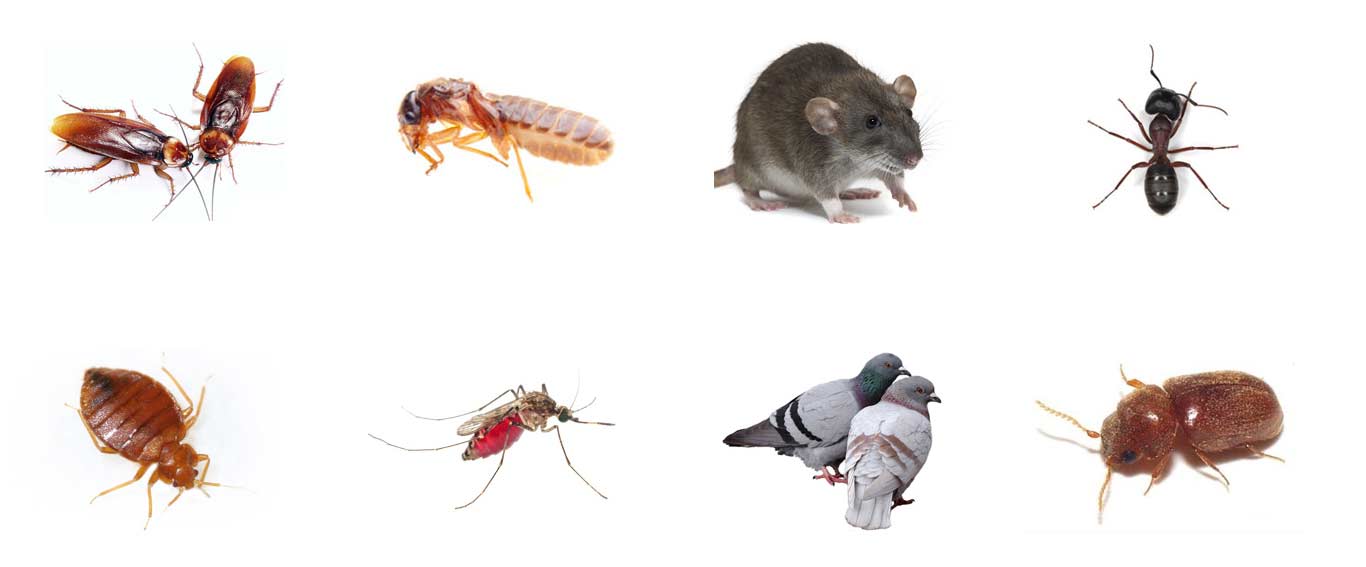
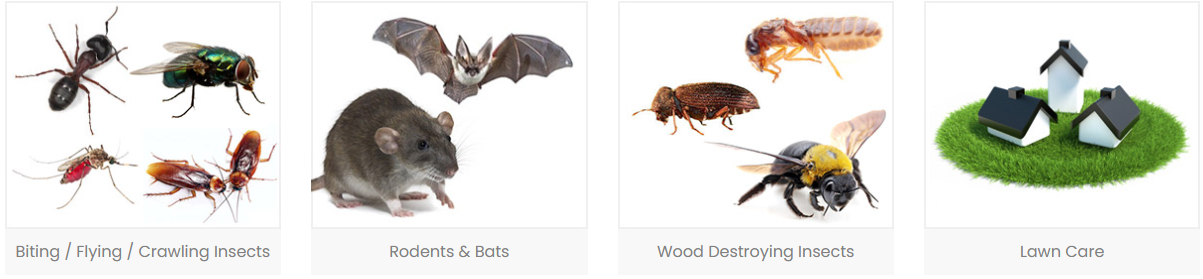
Ants, cockroaches, rodents, termites, flies, and mosquitoes aren’t random visitors. They follow routines, build nests in hidden places, and adapt quickly when conditions change. DIY pest control usually focuses on what you can see, like ants on the counter or a cockroach darting across the floor. The real problem is almost always out of sight: nests in wall cavities, roof spaces, drains, soil, or neighbouring properties.

Professional pest control starts with understanding pest behaviour. A trained technician looks for entry points, nesting zones, moisture issues, and food sources. Without that knowledge, spraying becomes guesswork, and pests simply come back once the product loses its effect.


Store-bought products have built-in limits


Retail pest control products are designed for general use. That means lower-strength formulations and broad instructions that don’t account for infestation size, property layout, or pest species. While they might reduce visible activity for a short time, they rarely solve the root cause.

Professionals use commercial-grade treatments that aren’t available over the counter. Just as important, they know how and where to apply them. Correct placement and dosage matter. Too little does nothing. Too much can be unsafe or drive pests deeper into a structure.
Why DIY Pest Control Often Fails

DIY treatments can spread the infestation


One of the most common DIY mistakes is forcing pests to relocate instead of eliminating them. Spraying a visible infestation without treating nesting areas often pushes pests into walls, ceilings, or neighbouring rooms. Rodents, when disturbed, can become more destructive, chewing wiring, insulation, and piping as they search for new shelter.


Professional pest control is planned, not reactive. Treatments are designed to contain and remove pests in a controlled way, preventing them from scattering throughout the property.


Safety risks are often overlooked


Even products sold to the public can pose risks when misused. Applying chemicals too often, mixing different products, or spraying enclosed spaces can expose occupants, pets, and food areas to harm. Many people underestimate how easily pesticides can affect indoor air quality and surfaces.

Professionals are trained to prioritise safety alongside effectiveness. They select products suited to the environment, apply them precisely, and provide clear guidance on precautions and re-entry times. This is especially important in homes with children, pets, or food preparation areas, as well as in offices, restaurants, and commercial spaces.


Pests return without a follow-up plan


A single treatment rarely solves an established pest problem. Eggs hatch, new pests migrate in, and seasonal changes increase pressure. DIY pest control often stops once the spray bottle is empty, leaving no plan for monitoring or prevention.

Professional pest control includes follow-ups and ongoing assessment. Technicians check results, adjust treatments if needed, and advise on prevention measures to keep pests away. This approach turns pest control into a long-term solution rather than a cycle of repeat infestations.

Why DIY Pest Control Often Fails

The hidden costs of DIY pest control


DIY pest control may seem cheaper at first, but the long-term costs add up. Repeated product purchases, damaged property, contaminated food, and lost productivity quickly outweigh the initial savings. Termites can cause serious structural damage before they’re noticed. Rodents damage electrical systems and insulation. Cockroaches and flies affect hygiene and reputation, particularly for businesses.

Professional pest control helps protect property value and reduces long-term expenses by dealing with problems early and effectively.


Local experience makes a difference


Pest activity varies by area. Johannesburg South and City properties face specific challenges linked to climate, building styles, drainage systems, and surrounding environments. Professionals working locally understand seasonal pest trends and risk factors, allowing them to tailor treatments instead of relying on generic methods.


Why professional pest control is the smarter option


Professional pest control replaces trial and error with experience and accountability. Instead of reacting every time pests appear, you gain consistent control backed by proven methods. It’s a practical investment in comfort, safety, and peace of mind for homes and businesses alike.


The Specialists Johannesburg South & City


When pest problems need a proper solution, working with a trusted local team matters. The Specialists Johannesburg South & City provide professional pest management tailored to properties across the region. Their focus is on finding the source of infestations, applying targeted treatments, and preventing pests from returning.

If you’re dealing with recurring issues or want long-term protection, their professional pest control services in Johannesburg South are designed to handle cockroaches, rodents, termites, flies, and more. You can learn more about their expert approach to pest control in Johannesburg South and how they protect homes and businesses throughout the area by visiting their website.