Agricultural Steel Building Projects

Commercial Steel Building Projects
November 26, 2025
PLC Programming Software – 4Sight OT Automation
December 5, 2025

Agricultural Steel Building Projects

The Smart Choice for Modern Farming Operations

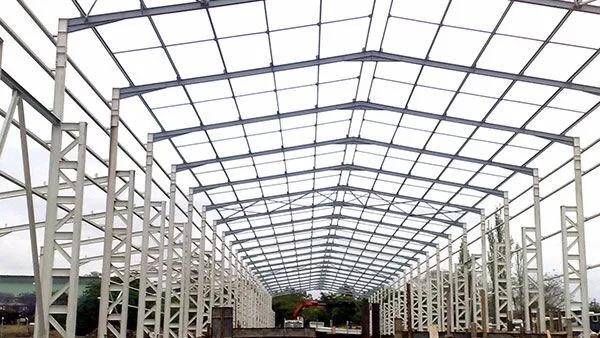
Farming in South Africa is evolving fast. Whether you’re cultivating a large-scale row-crop operation, running livestock, storing grain, or managing an implement yard, your buildings need to keep pace—not hold you back. That’s where agricultural steel building projects come in, offering versatile, durable, and cost-effective structures tailored for the unique demands of agriculture.

If you’ve ever dealt with a leaky roof in the middle of harvest or found that your storage shed isn’t tall enough for new machinery, you’ll appreciate exactly how a well-designed steel building solves those headaches. Let’s dive into what makes them such a sensible investment for farms, which applications suit them best, what to look out for, and how you can go about selecting the right partner for your project.

Why Steel Works So Well in the Agricultural Sector

Farming isn’t gentle. Between dust storms, heavy rains, shifting soil, and large vehicles, your buildings need to stand up to a lot. Agricultural steel buildings are equipped for these challenges:

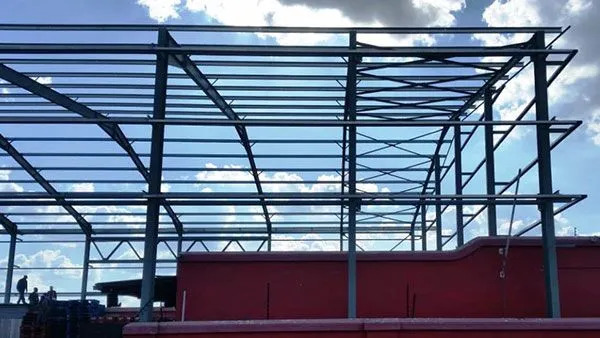
  • The structural integrity of steel allows vast clear-spans, perfect for equipment and storage.
  • Steel frames are fabricated to precise tolerances off-site, so installation is faster and cleaner.
  • With proper coatings and cladding, steel resists corrosion from chemical exposure, dust, and moisture.
  • Strong roof systems allow overhead cranes, hoists, or high loads of hay/straw if needed.
  • Maintenance is minimal compared to older timber or steel with inferior coatings.

For a farm in Free State or the Limpopo belt, where temperatures soar and storms roll through, these advantages are especially pronounced. If you build right once, you don’t have to worry about structural issues down the line.

Common Uses for Agricultural Steel Building Projects

Here are some of the ways farms, agri-businesses, and implement yards benefit:

Storage and Warehouse Facilities
Finished goods, raw product, spare parts—all need space. Steel buildings deliver high roofs, wide spans, and flexible layouts, so you’re not boxed in when new equipment arrives or processes change.

Implement Sheds and Service Bays
Tractors are bigger than they were even five years ago. Roofs need to clear the height. Service bays need space to turn trucks, remove tyres, lift heavy gear. Steel gives you that freedom.

Packhouses and Processing Plants
Post-harvest handling, cleaning lines, sorting equipment—all require clean, well-ventilated buildings. Steel frames allow for bespoke layouts, good airflow, and easy future modification.

Livestock Buildings
Housing, feed storage, silos. Steel structures incorporate strong sidewalls, large door openings, and ample height for ventilation—or even mezzanine levels for storage or feed bins.

Agricultural Workshops and Maintenance Bays
On-farm maintenance is critical. You don’t want delays because your bay isn’t big enough. Steel framing makes it clear-spanned, well-lit, and safe.

When you pick a steel building designed for your farm’s specific workflow, you’re not just getting a shed—you’re gaining operational flexibility.
Agricultural Steel Building Projects

Agricultural Steel Building Projects

Steel structures South Africa

What to Think About When Planning Your Agricultural Steel Building

Planning matters. Even though steel offers flexibility, it works best when you match the structure to your needs.

  • Define the operational flow
    Ask yourself: How will the building be used a year from now? What equipment will I have? Will I need large door openers for loading/unloading? Consider future volumes and expansion.
  • Choose the right span and height
    If you’re moving implements or expect overhead crane use, you’ll need a high roof and long span. For simple storage, you may not need as tall a clearance—but leaving headroom pays off.
  • Site conditions and foundation work
    Agricultural land can have shifting soils or flooding concerns. Your contractor should assess soil bearing capacity, drainage, and ensure the foundation suits your use. A poorly prepared foundation will bite you later.
  • Cladding and insulation for your environment
    If you’re in a humid coastal area or high rainfall zone, you’ll want corrosion-resistant coatings and good drainage. If you’re in arid inland areas, insulation, ventilation, and skylights make a big difference for comfort and energy cost.
  • Future expansion
    One of steel’s benefits is how it supports additions. But only if the original design accommodates it. If you’re likely to expand or repurpose part of the building, make sure the contractor designs the frame with potential expansion in mind.

The Economic Case: Steel vs Traditional Agricultural Buildings

You’ll often see that initial cost offers one comparison—but the real benefit comes from lifetime value.

Lower maintenance
Traditional wooden or brick structures often require repairs, repainting, patching of roof leaks. With steel, fewer defects appear over time, and durability is much higher.

Faster ROI
Because fabrication and erection are swift, you occupy the building sooner, put it to work, and begin generating value. For farmers, that might mean storing post-harvest earlier, servicing equipment in-house, or avoiding rental costs.

Flexibility reduces cost later
When your building can be reused, rearranged, extended—those savings add up. If you decide to turn part of your steel building into a processing line or a feed room, you’ll spend far less retrofitting than converting old brick.

How Agricultural Steel Building Projects Handle South African Environments

Whether your operation is in the Karoo, the KwaZulu-Natal Midlands, or along the Vaal river, you’re dealing with local variables. Good contractors know how to adapt:

  • In coastal settings: they select galvanized steel, strong coatings, sliding doors to avoid salt-air damage
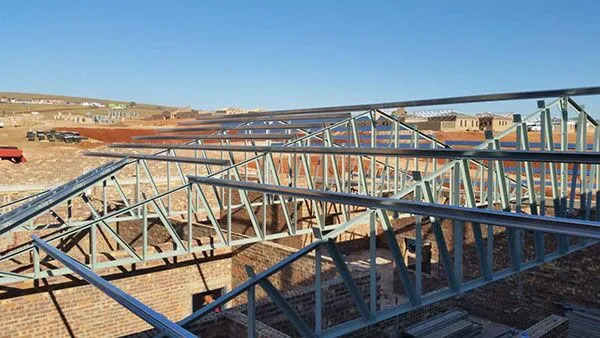
  • In inland areas: engineered trusses to deal with wind, heat-reflective cladding, bun-foot foundations for loose soils
  • In high-rainfall zones: extended eaves, good drainage, raised floor slabs to protect your assets

By choosing an agricultural steel building specialist who understands your region and your workflow, you get a structure that doesn’t just look good—but works.

Pretorius Structures: Specialists in Agricultural Steel Buildings

When you need to trust one contractor with your farm’s big-ticket building, the name that often comes up is Pretorius Structures. They handle agricultural steel building projects across the country—storage facilities, packhouses, implement sheds, processing plants, and more.

You can explore their offerings at the dedicated agricultural steel buildings page. Their main site provides a broader view of how they operate, their experience, and their commitment to quality steel construction: Pretorius Structures – full service steel building specialist.

Their team works with you from design through to handover, delivering buildings that are engineered, fabricated and installed with the kind of care and local expertise your farming business deserves.