Commercial Steel Building Projects

Why Australian Organisations Are Investing in Whistleblower Hotlines
November 20, 2025
Agricultural Steel Building Projects
December 5, 2025

Commercial Steel Building Projects

Why Businesses Across South Africa Are Making the Switch

When you speak to business owners who’ve gone the steel route for their factories, logistics hubs, retail centres, workshops, or agricultural structures, the same story comes up again and again: the project ran quicker than expected, it cost less than traditional builds, and the finished structure felt sturdier and more flexible than they’d imagined. That’s the real strength behind any commercial steel building—it’s practical, reliable, and built for the long haul.

Steel construction has shaped everything from small-town workshops to massive industrial zones in Gauteng, Mpumalanga, the Free State, and KZN. If you drive through any growing commercial node, you’ll spot new steel frames going up faster than brick-and-mortar alternatives. And it’s not only big companies choosing steel. Family businesses, farmers, developers, and logistics operators are also moving this way because the value is hard to ignore.

Below, we’re unpacking what makes a commercial steel building such a smart investment, what the process feels like from the client side, why local expertise matters, and where a trusted contractor fits into the bigger picture.

What Makes a Commercial Steel Building So Reliable?

Steel is known for its strength, but strength is just one piece. What people often appreciate most is consistency. With concrete and brick projects, weather delays, site complexities, and material inconsistencies can stretch timelines out longer than anyone would like. Steel behaves differently.

Fabrication happens off-site in a controlled workshop environment. Every beam, column, and connection is manufactured to precise specs before arriving on your plot. That means fewer surprises when installation begins.

The other advantage is that steel structures carry excellent load capacities without requiring bulky support walls. Businesses get more open floor space, better machinery layout options, flexible shelving, and the freedom to modify the internal layout years down the line.

Anyone who’s ever needed to reroute a production line or extend storage capacity knows how valuable this flexibility is.

Commercial Steel Buildings Work for Almost Every Industry

When people hear “steel building,” some immediately think of a warehouse and nothing more. But commercial steel construction covers a much broader spectrum.

Warehousing & Logistics Facilities

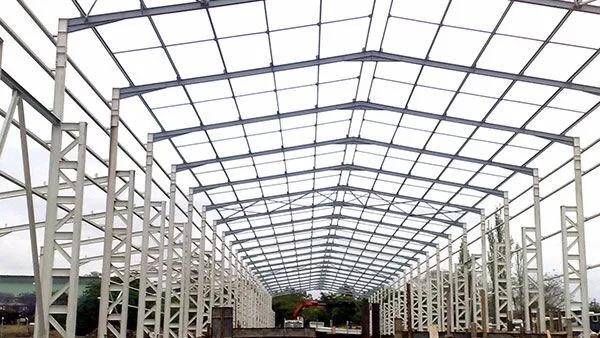
Open spans, high roof clearance, and easy expansion—steel is ideal for distribution hubs, courier depots, and cold storage facilities.

Factories and Workshops

Manufacturers love steel because equipment changes are common, and steel structures make modifications far easier. It’s also excellent for overhead cranes, heavy HVAC systems, and electrical reticulation.

Retail and Office Space

Modern architectural designs often combine steel shells with stylish façades. Developers appreciate steel because it speeds up the project and slashes long-term maintenance needs.

Agricultural Buildings

From packhouses to grain stores and implement sheds, farmers rely on steel to get large, durable spaces without unnecessary construction downtime.

Vehicle Service Centres & Engineering Facilities

Steel makes it simple to design open bays, wash bays, mezzanine floors, and equipment rooms while keeping everything functional and uncluttered.

Whether your project is urban, rural, industrial, or commercial, steel tends to tick the boxes.
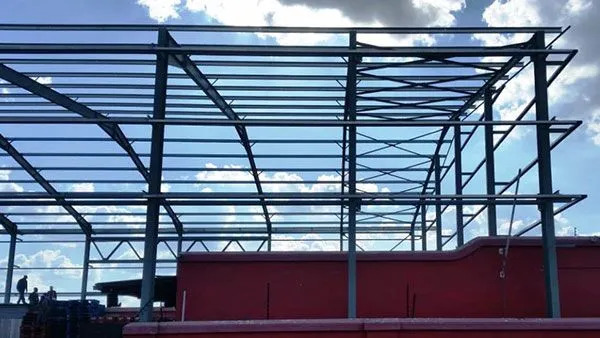
Commercial Steel Building Projects

Steel building company

Steel structures South Africa

How a Commercial Steel Building Comes Together

People are often surprised at how structured the process is. While every contractor works slightly differently, the key stages follow a logical rhythm.

  1. Consultation and Needs Analysis
    This is where the contractor dives into your operational requirements. They’ll ask things like:
    What will the building be used for?
    • Do you need cranes, roller shutters, or mezzanine levels?
    • What’s your timeline?
    • Is expansion likely in future?
  2. Design and Engineering
    Once the concept is clear, engineers prepare detailed drawings. Load calculations, wind ratings, anchor points, and structural specs get handled at this stage. The design stage determines how safe, durable, and practical the final building will be.
  3. Fabrication
    Beams, trusses, columns, brackets, and connection plates are manufactured in a dedicated workshop. Standardised fabrication ensures each piece fits perfectly on-site.
  4. Site Preparation & Foundation Work
    Steel buildings sit on engineered concrete foundations. The better the foundation, the better the lifespan of the building. Poor soil conditions or sloped plots can be managed—steel remains one of the most adaptable systems for complex sites.
  5. Erection (Installation)
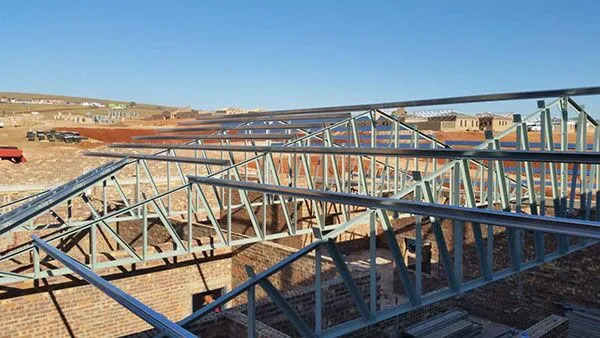
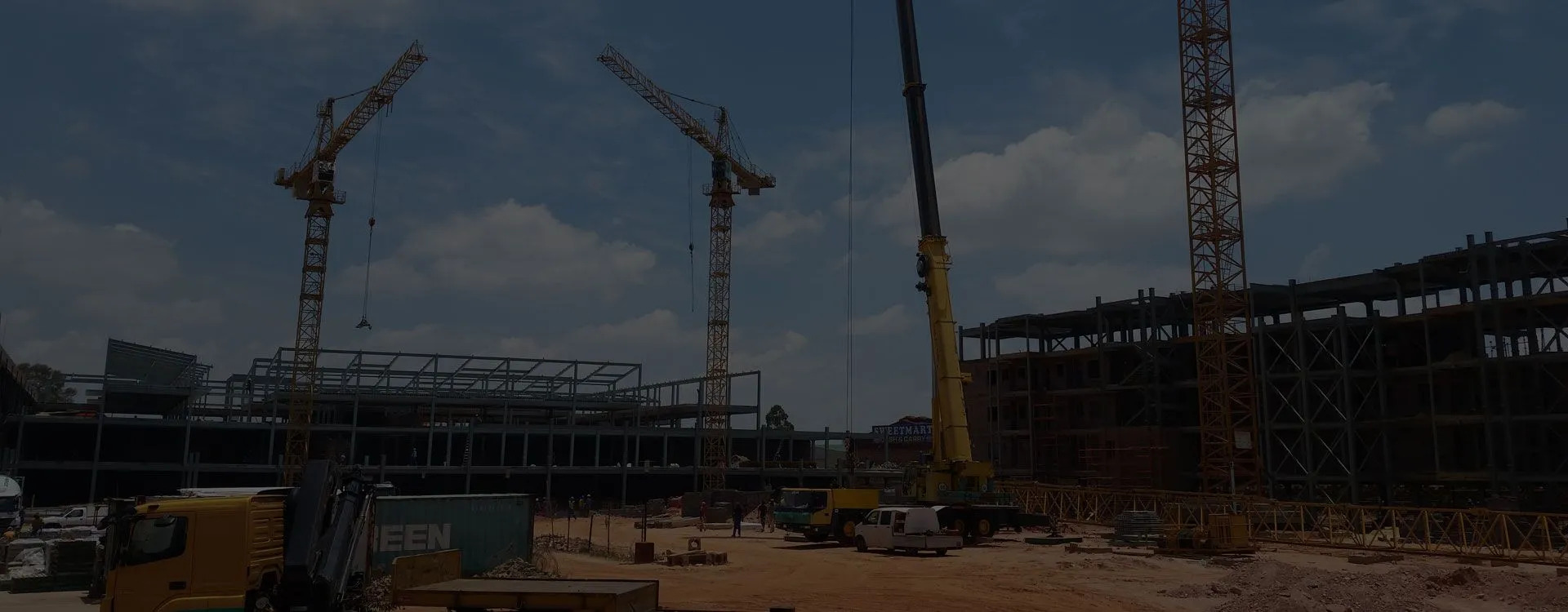
    This is where the magic happens. Cranes lift the steel components into place, teams bolt everything according to structural drawings, and the frame starts taking shape quicker than many clients expect. Cladding, roofing, insulation, windows, and doors follow.
  6. Finishing & Handover
    Electrical work, flooring, plumbing, internal walls, and office areas are completed as needed. After a final inspection, the building is ready to occupy.

This timeline is usually weeks shorter than traditional construction, which is why the steel route is so popular for time-sensitive projects.

Why Steel Saves Money Over the Long Term

People sometimes compare only the initial cost of a steel building versus brick construction. But the real savings come after the project is completed.

  • Steel buildings last decades with minimal upkeep.
  • Maintenance costs remain relatively low—no cracking walls, structural sagging, or constant repainting.
  • Energy efficiency is better with the right insulation.
  • Add-ons and extensions are simpler and cheaper.

There’s also the benefit of predictability. Because fabrication happens off-site, labour costs and manufacturing timelines stay consistent, cutting out many of the delays that usually inflate construction budgets.

Local Context: Why Steel Buildings Suit South African Conditions

South Africa’s climate ranges from coastal humidity to dry inland heat, from high rainfall to long dust-filled droughts. Steel construction handles all of it.

  • Galvanised steel stands up well to corrosion when chosen correctly.
  • Heavy winds in coastal areas can be addressed with proper engineering.
  • Insulation systems help regulate the harsh summer temperatures.
  • Large roof spans aid ventilation, lighting, and heat management.
  • Fire resistance ratings add another layer of safety for industrial environments.

Whether you’re building in the Vaal, George, Nelspruit, Secunda, or the West Coast, steel remains one of the most climate-resilient materials on the market.

The Importance of Choosing the Right Contractor

A commercial steel building is only as reliable as the company designing, fabricating, and installing it. South Africa has a mix of smaller contractors, mid-size specialists, and large firms working in urban and rural regions.

Experience matters here. The contractor must:

  • Understand different soil conditions
  • Engineer for local wind ratings
  • Offer complete project management
  • Work with quality steel
  • Maintain strong safety standards on-site
  • Deliver honest timelines and budgets

Cheap, rushed fabrication often leads to connection failures, misaligned beams, water leaks, or future movement that costs far more to fix than the initial “saving”.

Pretorius Structures: A Trusted Commercial Steel Building Company in South Africa

For businesses that want a reputable, experienced contractor, Pretorius Structures has built a strong name across the country. They manage complex industrial builds, agricultural structures, commercial warehouses, office-and-retail shells, and large-scale manufacturing facilities. Their combination of engineering expertise and hands-on project management explains why so many clients return for second or third builds.

Anyone planning a commercial steel building can look at the company’s portfolio on their main website. The page for their specialist commercial steel building contractors showcases their capabilities, design variety, and project experience. And if you’re mapping out your own facility or want an estimate, their contact page makes it easy to reach the right person. Get in touch with Pretorius Structures

Design Choices That Influence the Success of a Commercial Steel Building

When planning your structure, three factors shape most decisions:

Span Width

Do you need an open, column-free workspace? Warehouses and workshops benefit from large spans, while office blocks may not require them.

Roofing & Cladding Options

Zincalume, galvanised sheeting, insulated panels, and translucent roof panels will each change the final look and feel. These affect temperature control and energy efficiency too.

Future Expansion Plans

Steel structures can be extended easily, but only if the initial design accommodates it. Good contractors think ahead so clients aren’t boxed in later.

What Makes a Commercial Steel Building a Long-Term Asset

When you invest in steel, you’re not only buying a structure; you’re investing in reliability and adaptability. The building won’t crack, shift, or demand endless maintenance. Businesses can change layouts, add equipment, or expand without starting from scratch.

Most importantly, steel gives growing companies room to breathe. It adapts as the business evolves—something traditional building methods struggle to match.